Pet Parasite Prevention & Control
Our protection at College Hills Veterinary Hospital includes comprehensive pet parasite prevention and control for dogs and cats in College Station and nearby communities. With individualized care, we help protect your pet from fleas, ticks, heartworms, and intestinal parasites.
What Is Pet Parasite Prevention & Control?
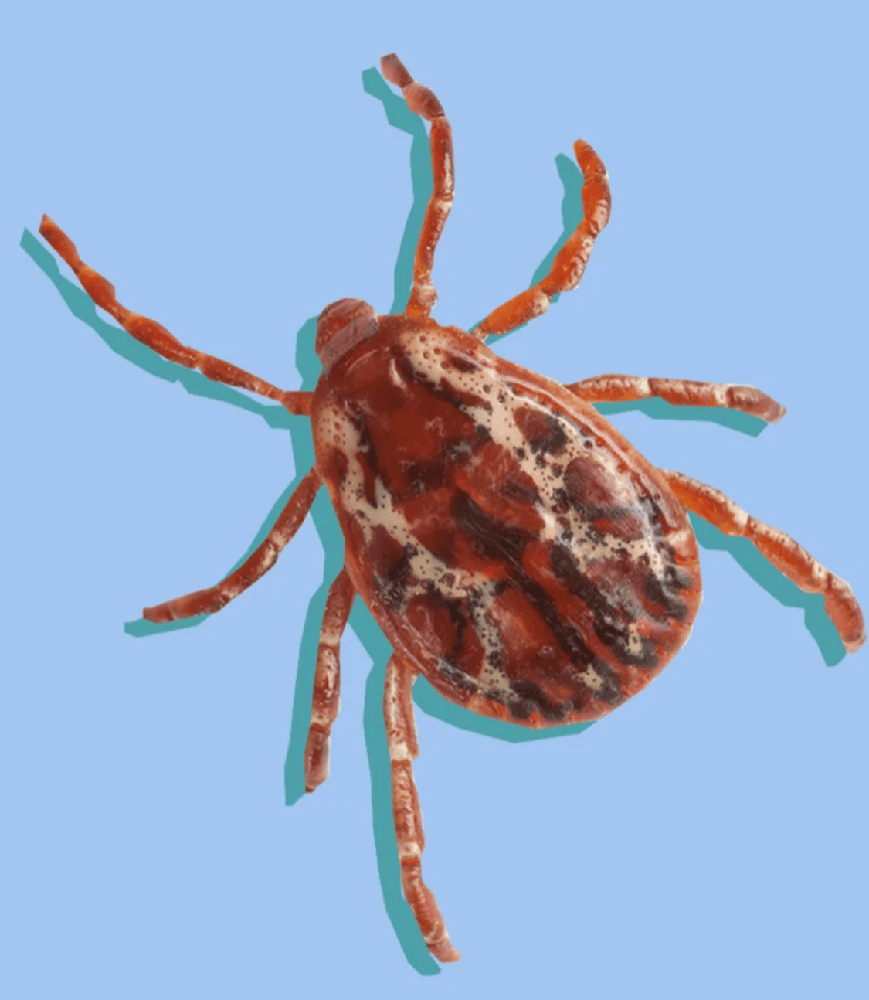
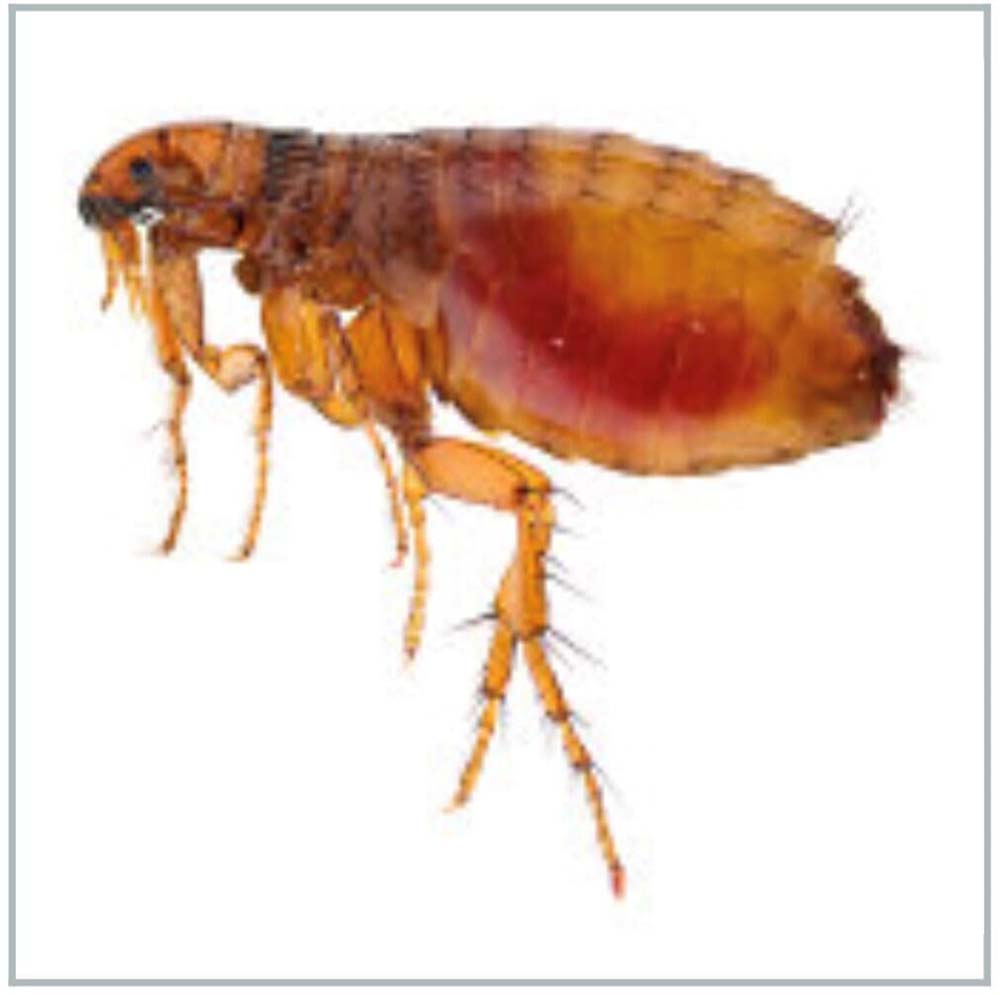
Pet parasite prevention and control focus on protecting pets from harmful internal and external parasites that can cause serious illness. Parasites such as fleas, ticks, heartworms, and intestinal worms are more than just a nuisance—they can carry diseases that affect your pet’s health and, in some cases, pose risks to people as well.
Because many parasites are difficult to detect, routine prevention and testing are essential. Some pets may not show obvious signs of infection, even when parasites are present. At College Hills Veterinary Hospital, we take a proactive approach to help identify risks early and prevent problems before they develop.
How We Protect Your Pet from Parasites
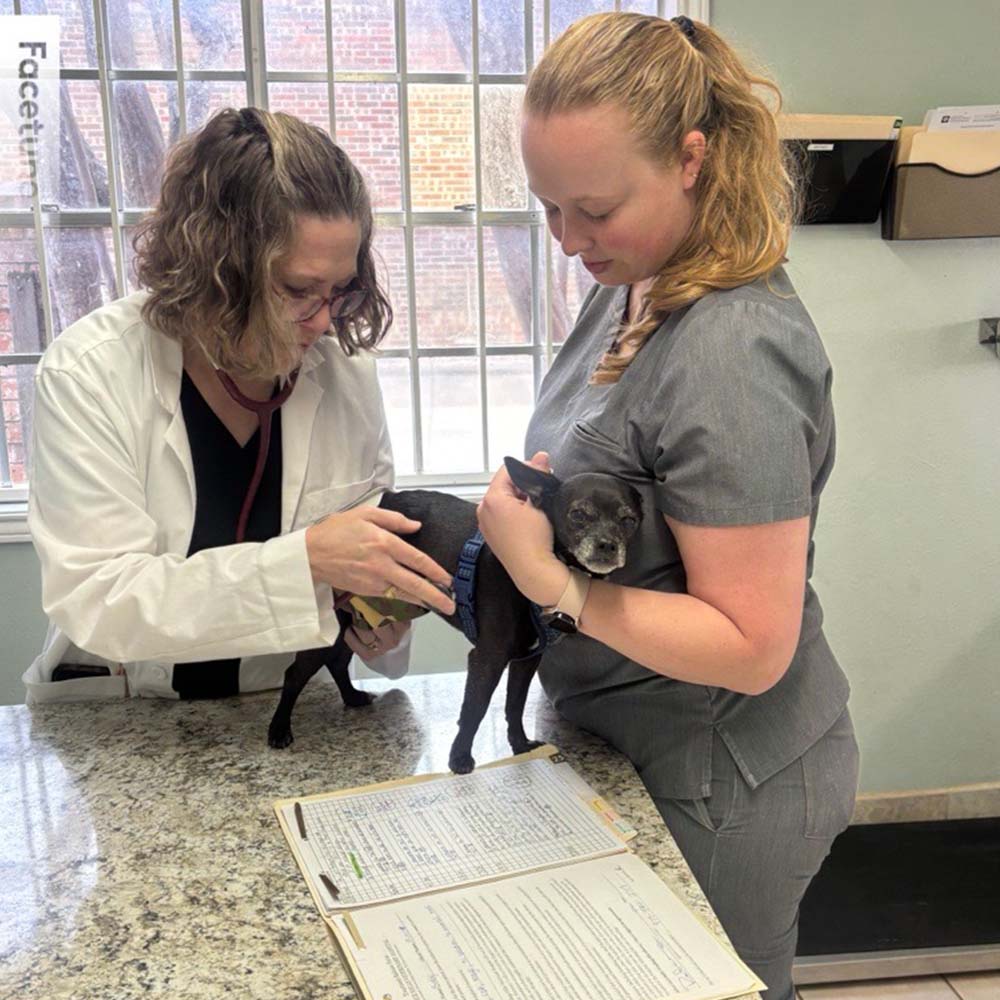
Our approach to pet parasite prevention and control begins with a thorough veterinary examination and a discussion about your pet’s lifestyle, environment, and risk factors. This allows us to recommend the most effective prevention plan tailored specifically to your pet.
Depending on your pet’s needs, our services may include:
- Physical examinations to check for fleas, ticks, and other external parasites
- Diagnostic testing for heartworms and intestinal parasites
- Preventive medications to protect against fleas, ticks, and heartworms
- Deworming treatments when necessary
- Guidance on parasite control in your home and outdoor environment
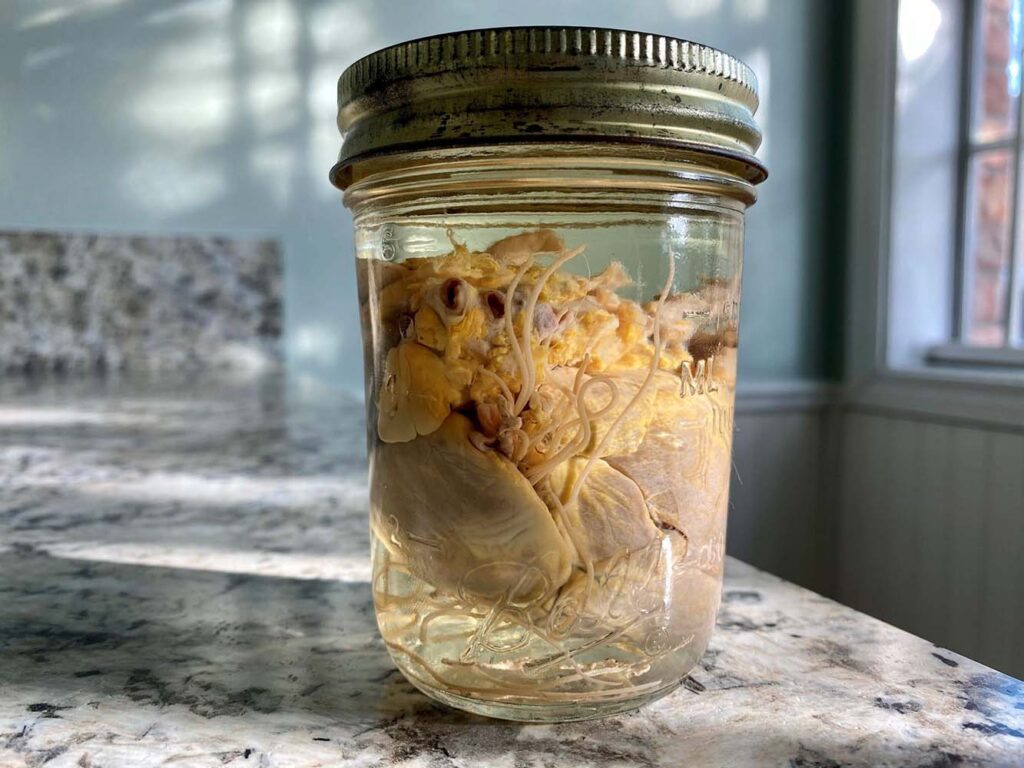
Parasites like heartworms—transmitted by mosquitoes—can live in the heart and lungs, causing serious damage over time. Fleas and ticks can transmit infections such as Lyme disease, while intestinal parasites like roundworms and hookworms may affect both pets and humans. We also take time to educate pet owners on what to watch for at home and how to maintain a safe, parasite-free environment for your pet.
Preventive Care Backed by Knowledge & Experience
At College Hills Veterinary Hospital, we understand that effective pet parasite prevention and control requires more than a one-size-fits-all solution. Our veterinarians and staff stay informed on current prevention methods and tailor recommendations based on your pet’s age, habits, and exposure risks.
We are committed to helping pet owners understand the importance of ongoing prevention and routine testing. By combining veterinary expertise with clear communication, we empower you to make informed decisions that protect your pet’s health and the wellbeing of your household.
FAQs About Pet Parasite Prevention & Control
How do I know if my pet has parasites?
How often should my pet be tested for parasites?
Testing frequency depends on your pet’s lifestyle and risk factors. Our veterinarians will recommend a schedule that helps ensure early detection and effective prevention.
Is year-round prevention necessary?
In many cases, yes. Parasites can be present throughout the year, so consistent prevention is one of the best ways to protect your pet.
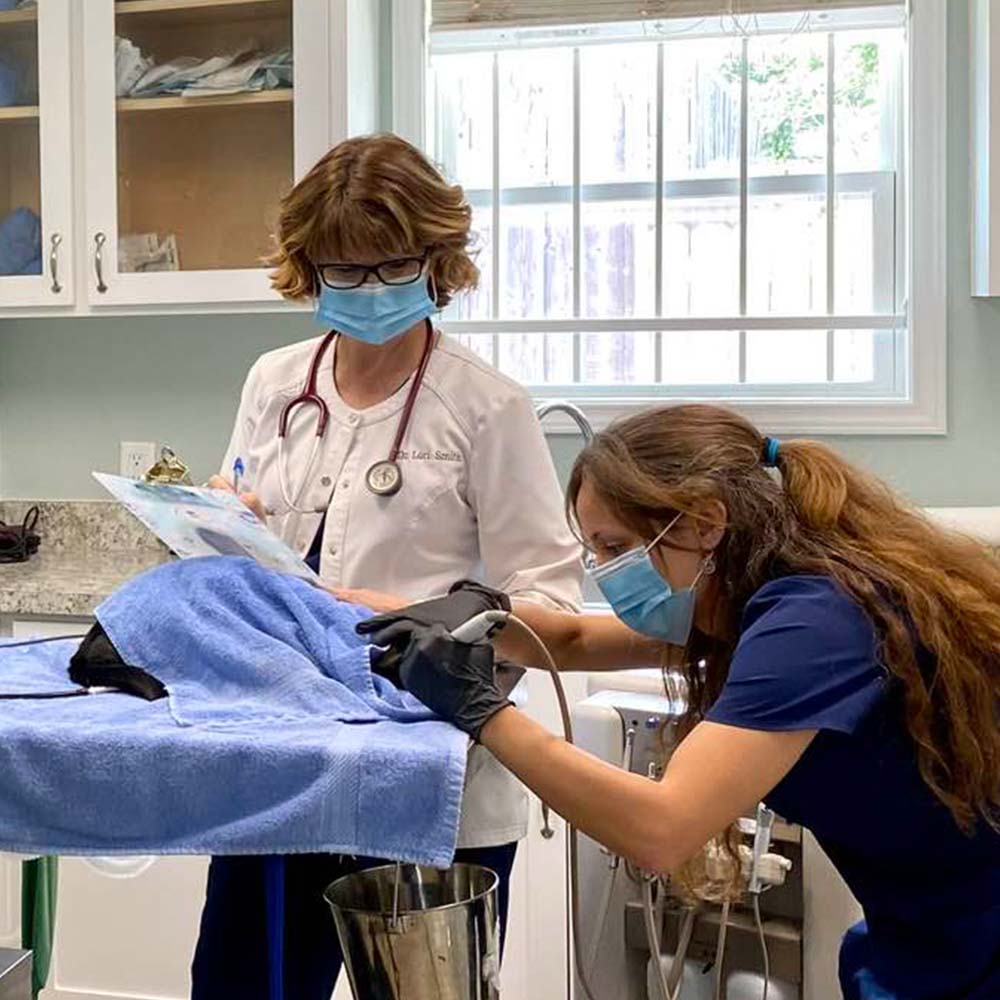
Protecting Your Pet’s Health from Hidden Threats
Parasites can impact your pet’s comfort, health, and overall quality of life if left untreated. With consistent pet parasite prevention and control, our team helps reduce these risks through proactive care, routine testing, and tailored recommendations. At College Hills Veterinary Hospital, we are proud to support local pet families with knowledgeable guidance and preventive strategies that keep dogs and cats protected in every season.