
Winter Joint Pain in Dogs and Cats: How College Hills Veterinary Hospital Can Help
College Hills Veterinary Hospital – College Station, Texas
Winter in College Station can bring damp cold fronts, sudden temperature drops, and stretches of brisk, windy weather. These seasonal changes often make winter joint pain in dogs and cats more noticeable. Pets who usually move comfortably throughout the year may begin to show stiffness after resting, reluctance to jump or climb, or less enthusiasm for playing during colder weeks.
At College Hills Veterinary Hospital, we care for pets throughout College Station and the surrounding communities. Our team understands how winter weather can affect your pet’s mobility and overall comfort, and we offer safe, effective therapies to support joint health all season long.
Why Dogs and Cats Feel Joint Pain in Winter
Fluctuating weather and cooler temperatures can aggravate joint discomfort, especially in pets with arthritis or past injuries. Common contributing factors include:
- Cold, damp air that increases stiffness
- Sudden temperature drops associated with winter fronts
- Reduced outdoor activity during shorter daylight hours
- Weather-related inflammation that worsens arthritic pain
- Muscle tightening in response to cold or inactivity
Cats often hide discomfort, so changes in grooming habits or temperament may be early signs of pain.
Signs of Winter Joint Pain in Dogs and Cats
Pet parents may notice:
- Slower movement after sleeping or resting
- Limping or stiffness, especially in the morning
- Hesitation with stairs or jumping
- Decreased interest in walks or playtime
- Soreness after light activity
- Irritability or avoiding touch
- Reduced grooming in cats
If your pet shows any of these symptoms, a winter mobility evaluation may be helpful.
Pets More Likely to Experience Winter Joint Pain
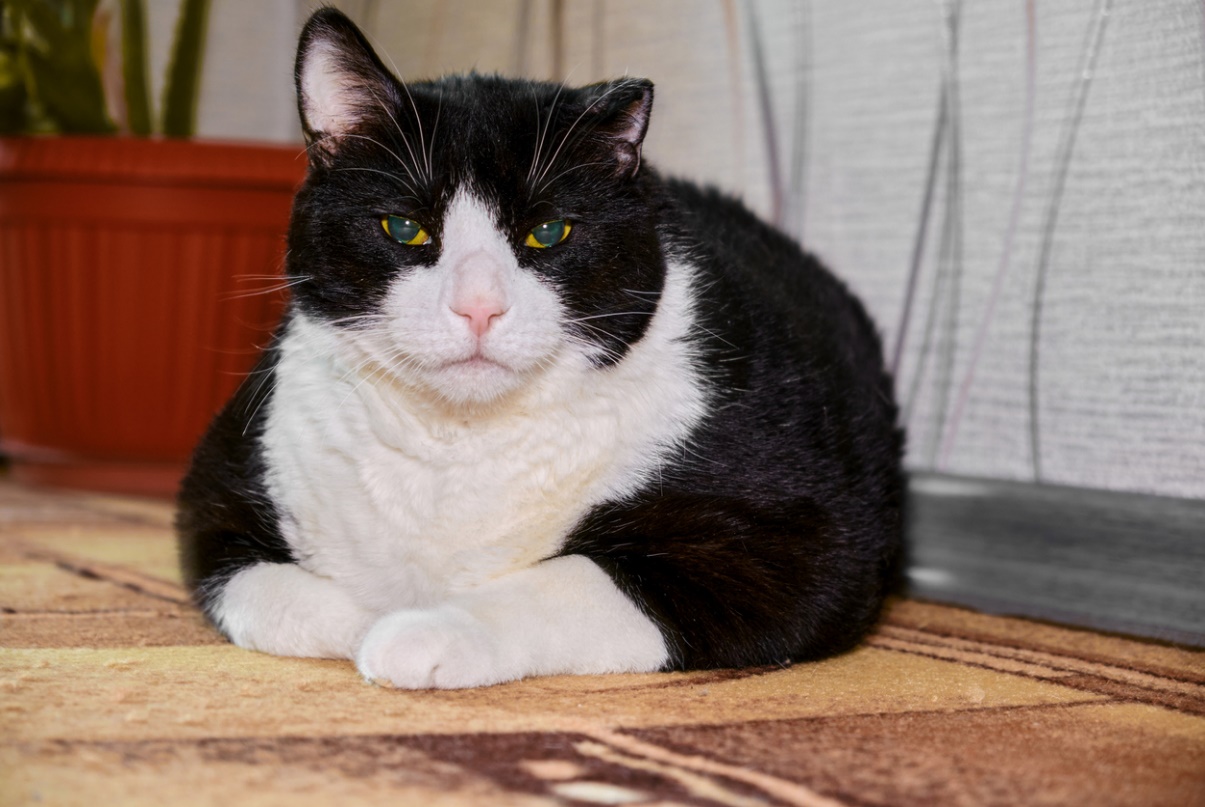
Pets that can be especially sensitive to cold-weather changes, including:
- Senior dogs and cats
- Large-breed dogs
- Pets with arthritis or prior orthopedic injuries
- Overweight pets
- Young dogs predisposed to hip dysplasia
- Pets recovering from orthopedic issues
Cool weather often makes mobility changes easier to spot.
How College Hills Veterinary Hospital Helps Ease Winter Joint Pain
Our team provides supportive therapies designed to keep pets comfortable and mobile during the winter season.
Laser Therapy
Therapeutic laser treatment is a gentle, non-invasive option that reduces inflammation, increases circulation, and eases joint discomfort. Pets with arthritis, tendonitis, hip or knee issues, back pain, or chronic stiffness often benefit from regular laser sessions, and most pets find the treatment relaxing.
You can learn more about how MLS Veterinary Therapeutic Laser Therapy works on our website, where we share a brief video showing the improvement one of our patients experienced after just one treatment.
Nutritional Counseling
Maintaining a healthy weight plays a significant role in joint comfort. Excess weight increases strain on the hips, knees, elbows, and spine. Our nutritional counseling services help families choose diets that support weight control, muscle health, and reduced inflammation. The right diet can make a meaningful difference for pets with chronic joint pain.
Maintaining a healthy weight plays a significant role in joint comfort. If you’d like to learn more about how weight affects long-term health, you can read our blog, “The Consequences of Pet Obesity: How to Manage and Prevent It.”
Home Strategies to Support Dogs and Cats with Winter Joint Pain
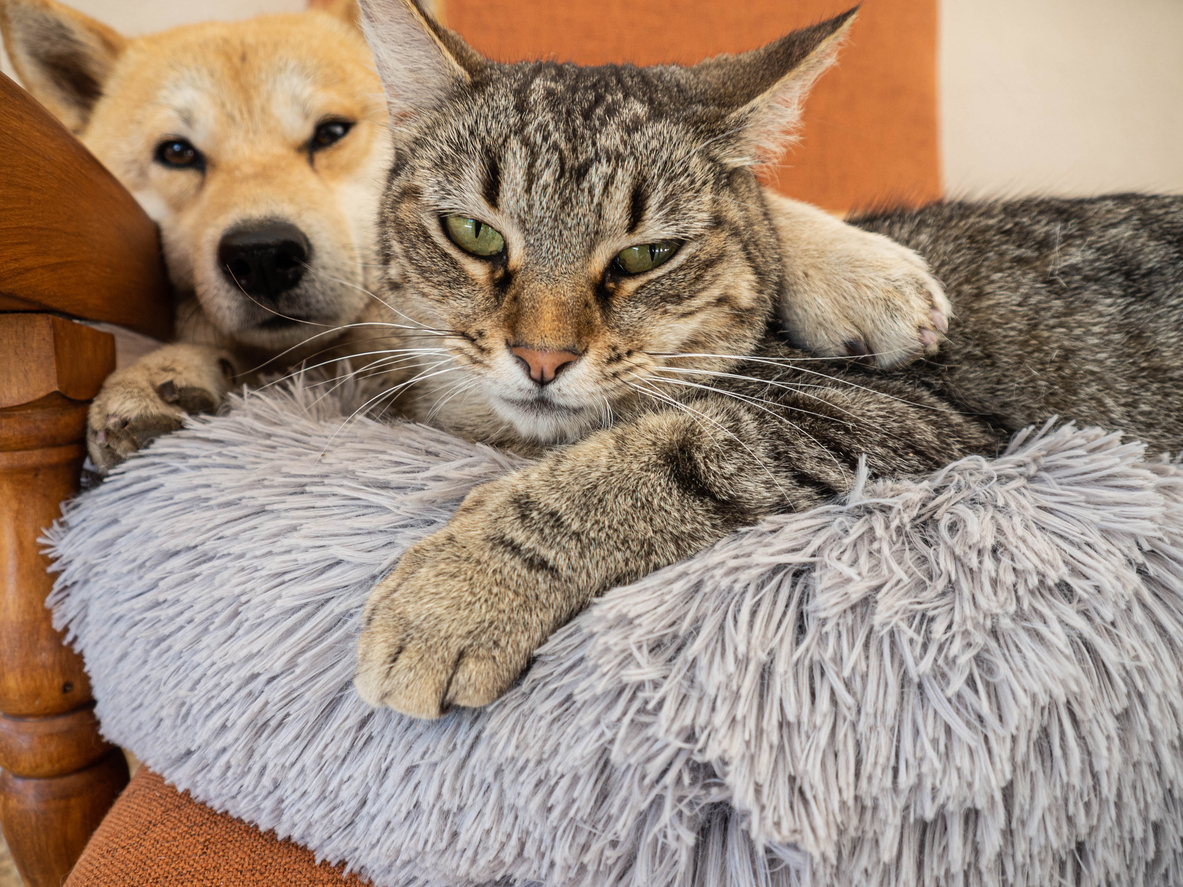
Simple changes can help keep your pet comfortable:
- Provide warm, padded bedding away from cold floors
- Keep resting spots away from drafty areas
- Encourage gentle indoor activity throughout the day
- Maintain a healthy weight to reduce joint strain
- Trim nails regularly for better traction
- Use ramps or steps for vehicles, beds, and furniture
- Keep litter boxes easily accessible for catsLet pets warm up gradually after resting before active play
These steps can help reduce stiffness and improve your pet’s daily comfort.
When to Seek a Mobility Evaluation
Contact College Hills Veterinary Hospital if your pet:
- Shows stiffness or limping lasting more than a day
- Has difficulty rising or lying down
- Struggles with stairs or jumping
- Seems sore after mild exercise
- Becomes irritable when touched
- Shows sudden changes in mobility during colder weeks
A winter mobility evaluation can help determine the cause of discomfort and guide an appropriate treatment plan.
Keep Your Pet Comfortable All Winter Long
Winter joint pain in dogs and cats does not have to limit your pet’s happiness or activity level. With supportive therapies such as laser treatment, nutritional guidance, and personalized winter care plans, College Hills Veterinary Hospital can help your pet stay active, comfortable, and confident all season long.
Call College Hills Veterinary Hospital today to schedule your pet’s winter mobility evaluation.
College Hills Veterinary Hospital
209 Dominik Drive
College Station, TX 77840
979-693-0123
