
Spring Pet Health Problems: What College Station Pet Owners Should Watch For
Spring in College Station brings warm afternoons, blossoming landscapes, and more opportunities for pets to enjoy the outdoors. It also brings several spring pet health problems that dogs and cats commonly experience throughout the Brazos Valley. Knowing what to watch for can help you keep your pet healthy and comfortable with guidance from College Hills Veterinary Hospital.
1. Rising Flea and Tick Activity
In Texas, fleas and ticks begin reproducing early in the year. As temperatures rise, these parasites become active in yards, parks, wooded areas, and places where wildlife pass through.
Potential risks include flea allergy irritation, tapeworms, tick-borne diseases such as Ehrlichiosis and Lyme disease, and skin infections from scratching. Because fleas and ticks persist year-round in Central Texas, consistent parasite prevention is one of the best ways to protect your pet this season.
2. Shedding and Seasonal Coat Changes
As daylight increases, many pets begin shedding their winter coats. Dogs with thick undercoats often shed heavily, while cats may develop more hairballs or small mats during this time. Regular brushing helps reduce loose hair, prevents tangles, and makes it easier to notice developing skin issues.
Pet owners often ask how to stop dog shedding as spring arrives. While shedding is natural and cannot be completely stopped, there are ways to manage it so your dog sheds less and maintains a healthier coat:
- Brush regularly to remove loose hair before it falls around the home. Daily brushing is especially helpful for dogs with thick or double coats during spring.
- Feed a balanced diet rich in essential fatty acids, which support healthy skin and reduce excessive shedding.
- Most dogs do well with a bath every 4–6 weeks. This timing helps remove loose hair without drying out the skin. If your dog has a skin condition or specific grooming needs, we may recommend a bathing schedule tailored to them.
- Use year-round flea and tick prevention to prevent itching and irritation that can increase hair loss.
- Monitor for dryness, dandruff, hot spots, or sudden hair loss, which may indicate an underlying concern that needs veterinary care.
If your dog sheds significantly more than usual, develops bald patches, or shows signs of skin irritation, an exam can help determine whether another issue is contributing to the change.
3. Stomach Upset from Spring Exploration
Spring yard cleanups often uncover objects or plants that pets may try to chew or eat. In College Station, common sources of stomach upset include sprouting weeds and grasses, fertilizer residue, mulch pieces, fallen nuts and seed pods, compost materials, wildlife droppings, and standing water after rain.
These exposures can lead to vomiting or diarrhea. If symptoms last more than a day or your pet seems unusually tired, it is best to schedule an exam.
Spring rains in Brazos Valley can also leave behind puddles and areas of standing water, which may contain bacteria such as Leptospirosis. Dogs can be exposed when walking through or drinking from contaminated water, especially in areas where wildlife is active. If your dog spends time outdoors or around standing water, you can learn more by reading the hospital’s blog: Leptospirosis in Dogs.
4. Toxic Plants and Yard Hazards
Seasonal risks in the College Station area include lilies (life threatening for cats), sago palm, oleander, azaleas, hyacinths, tulips, daffodils, and bulb plants.
Lawn and garden products also become common this time of year. Fertilizers, pesticides, herbicides, weed killers, and cocoa mulch can be dangerous if pets walk through treated areas or lick product off their paws. Choose products labeled pet-safe, keep pets indoors during application, and allow treated areas to dry completely before letting them outside.
5. Increased Wildlife Encounters
As temperatures rise, wildlife in the Brazos Valley becomes more active. Pets may encounter squirrels, raccoons, skunks, stray cats, insects, and other animals. Curious dogs may chase or investigate wildlife, increasing the risk of bites, scratches, or parasite exposure. Supervising pets outdoors and avoiding brushy areas helps reduce unwanted encounters.
6. Snake Safety in College Station: Copperheads and Rattlesnakes
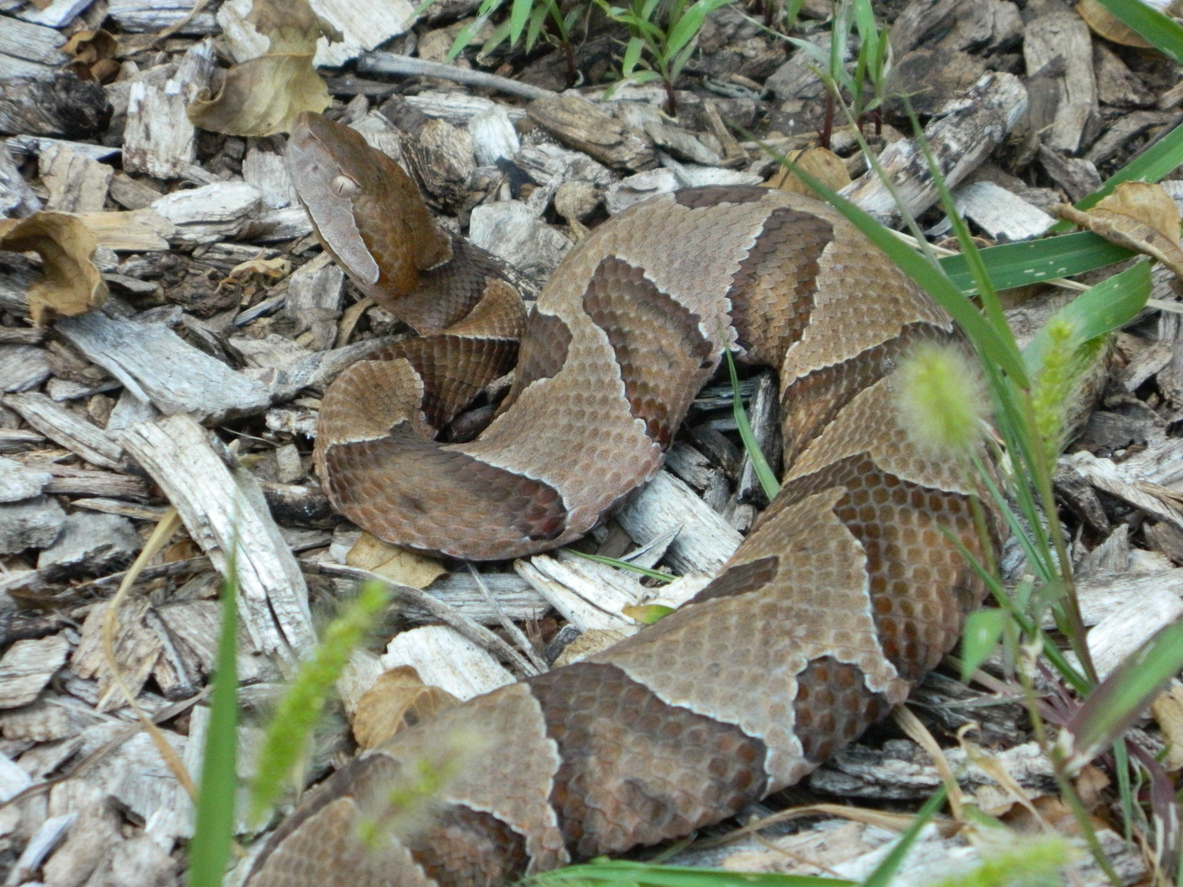
Spring marks the beginning of snake season in Central Texas. Copperheads are the most common venomous snakes found in and around College Station. Rattlesnakes may be encountered in more rural or brushy areas.
Snakes often hide in tall grass, wooded edges, shaded areas, and places where wildlife travel. Dogs may approach them out of curiosity, which increases the risk of a bite.
Helpful precautions include:
- considering snake avoidance training for outdoor or working dogs
- keeping dogs on a leash during walks
- avoiding tall grass, brush, and wood piles where snakes may hide
- backing away and leaving the area if you see a snake
If you suspect your pet has been bitten by any snake, contact your veterinarian immediately. You can read more from the Texas A & M article What To Do If Your Pet is Bitten by a Snake.
Spring Pet Care Checklist for College Station Pets
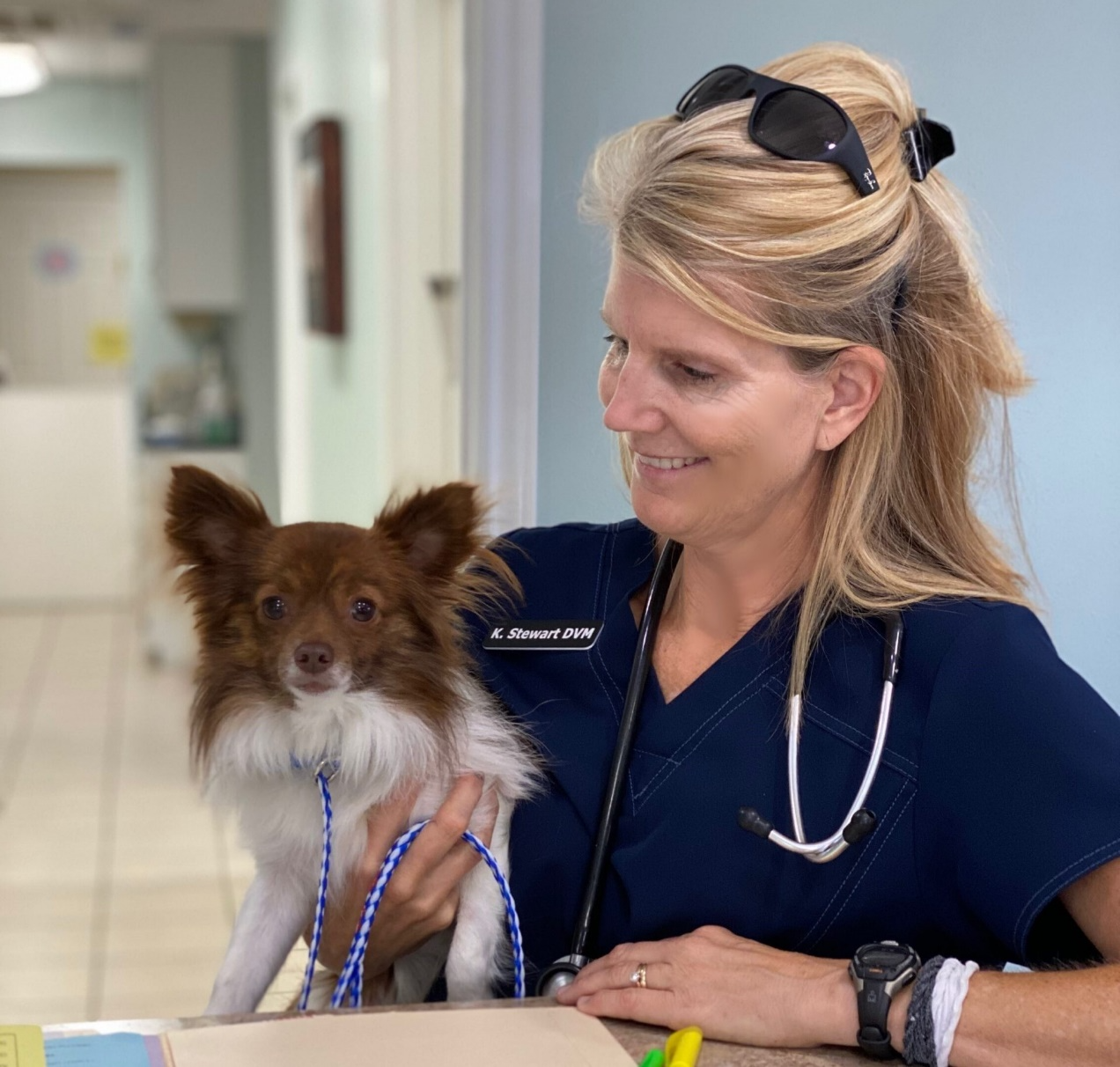
To help keep your pet healthy this spring:
- Start flea and tick prevention at the beginning of spring
- Keep your pet groomed at home or with professional grooming.
- Ask us about our Nutritional Counseling to keep your pet’s coat healthy.
- Monitor what your pet explores outdoors, especially during yard cleanup
- Keep toxic plants out of yards and homes.
- Choose lawn and garden products labeled as safe for pets
- Store all fertilizers, chemicals, and supplies securely
- Book a spring wellness exam to ensure your pet is ready for the season
Keeping Pets Healthy All Spring Long
Spring should be an enjoyable time for your pet, but it can also bring new health challenges. If your pet develops itching, digestive problems, unusual behavior, or if you need guidance on parasite prevention, the team at College Hills Veterinary Hospital is here to help.
Call today to schedule your pet’s spring appointment and keep them feeling their best as the seasons change.
