
Holiday Pet Travel & Safety Tips | College Hills Veterinary Hospital
As the holiday season brings travel, family gatherings, and festive celebrations, this is the perfect time to make sure your pets stay safe, comfortable, and stress-free. Whether you are heading out of town, welcoming guests, or simply navigating the busy energy of the season, these holiday travel and safety tips will help keep your dogs and cats calm and protected.
The holidays bring excitement, twinkling lights, and cozy traditions — but they also bring changes in routine, unfamiliar environments, and travel conditions that can feel overwhelming for pets. A little preparation goes a long way toward keeping them safe.
1. Holiday Pet Travel Safety: Protecting Pets on the Road
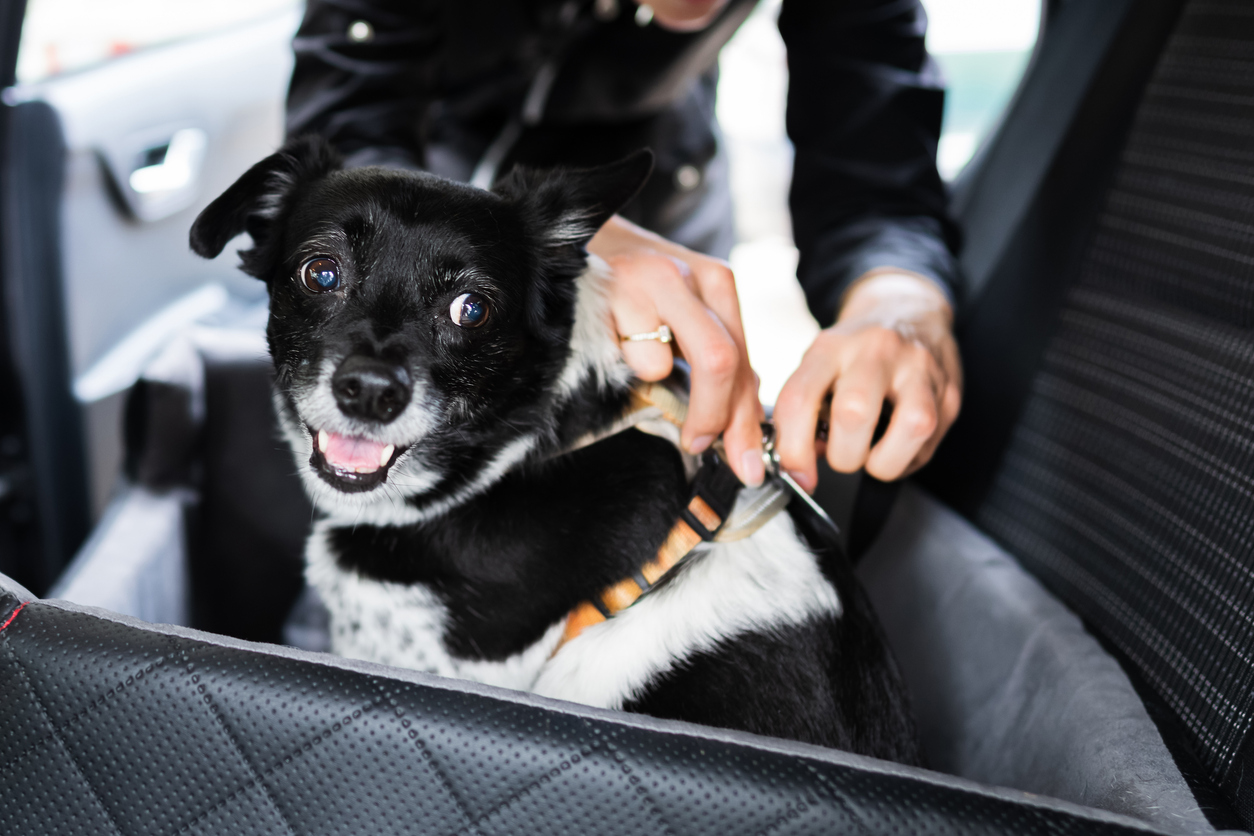
If your holiday plans include car travel, it is important to keep your pet’s safety in mind. Even in Texas, winter weather can bring chilly mornings, rain, and sudden temperature changes. Combined with busy highways and unfamiliar stops, pets can be at higher risk if not secured properly.
According to the American Automobile Association (AAA), an unrestrained pet can be seriously injured and injured others in a sudden stop. A 10-pound dog in a 50-mph crash exerts 500 pounds of force, while an 80-pound dog in a 30-mph crash generates 2,400 pounds of force — the equivalent of being hit by a small motorcycle.
Tips for safer holiday road trips:
- Use a crash-tested carrier or seat-belt harness for dogs and cats.
- Secure carriers in the back seat using a seat belt.
- Never allow pets to ride on your lap or stick their heads out the window.
- Keep pets leashed or contained before opening car doors.
- Make sure microchips and ID tags are current and readable.
All pets can tolerate the quick transition from your home to the car in winter, but do not leave them in cold air for long time. Anything more than a few minutes, especially below 40°F, can be uncomfortable or risky. Once you are inside the car, keep the temperature comfortable for everyone.
2. Flying with Pets: What Pet Owners Should Know
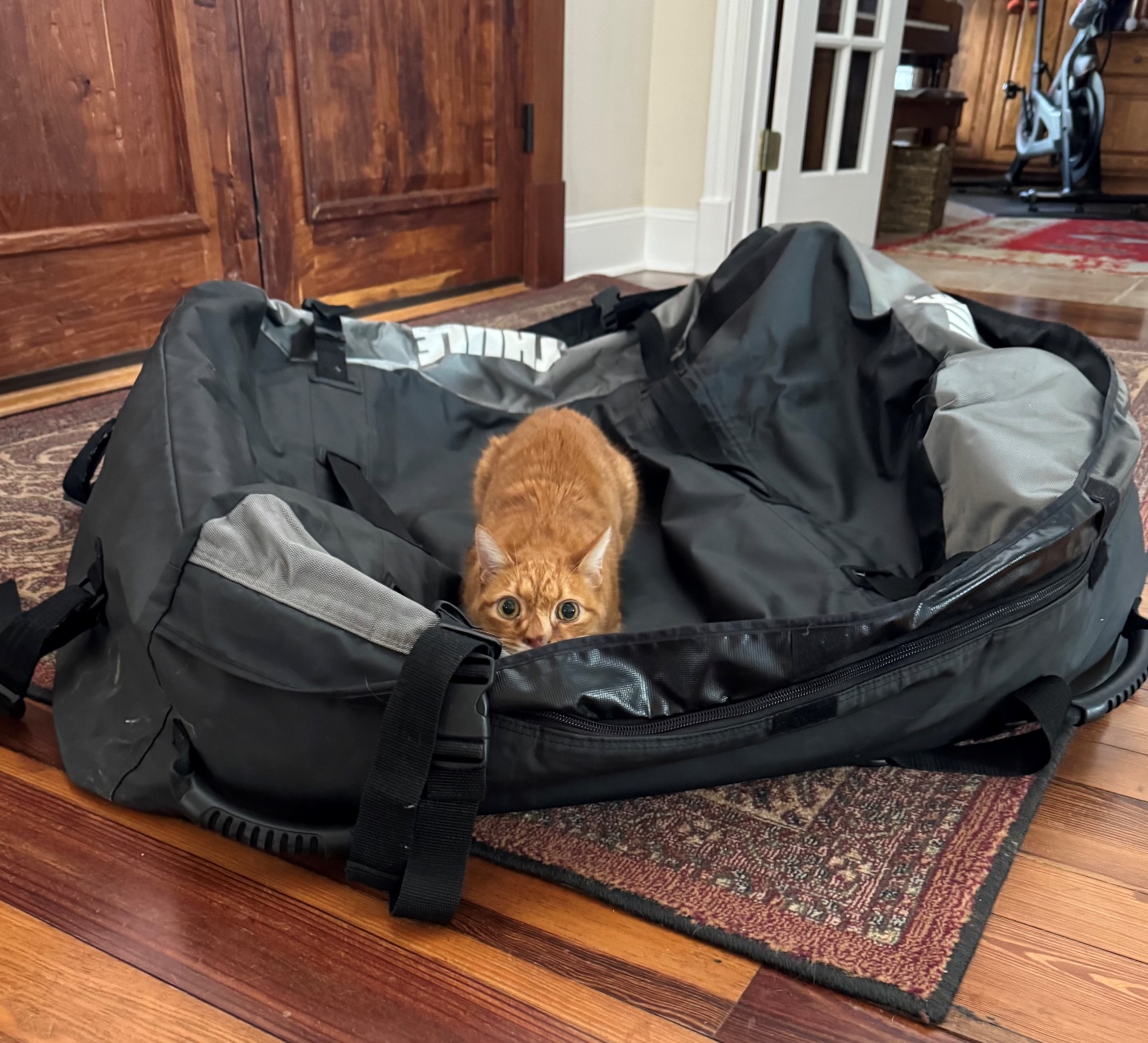
If your holiday travel involves flying, planning ahead makes the journey safer and smoother.
Plan a Pre-Flight Veterinary Visit
If you are flying with your pet this holiday season, a checkup before the trip can help make the journey easier. During this visit, you can:
- Make sure your pet is healthy enough for air travel.
- Update any vaccines or paperwork your airline may require.
- Discuss parasite protection based on where you are headed.
Know Your Airline’s Requirements
Airlines vary in:
- Approved carrier types
- Whether pets can fly in-cabin
- Seasonal temperature restrictions
- Required documentation
Check your airline’s rules before booking — especially during the holidays, when flights often limit the number of pets allowed onboard.
What to Expect at TSA
At all airports:
- Remove your pet from the carrier.
- TSA will scan the empty carrier.
- You may request a private screening room if your pet becomes frightened or could escape.
The AVMA recommends avoiding tranquilizers unless specifically advised by your veterinarian, as these medications may increase the risk of complications during flight.
Preparing Your Pet’s Carrier
- Use an airline-approved, well-ventilated carrier.
- Label it with your name, phone number, and destination.
- Add absorbent bedding.
- Freeze a small cup of water so it melts slowly without spilling.
- Include a familiar towel or blanket for comfort.
3. Winter Car Safety for Pets During Holiday Travel
Texas winters may be milder than northern states, but temperatures can still dip unexpectedly, and parked cars in the sun can heat up quickly even on cool days.
Tips for safer winter travel:
- Never leave pets unattended in a vehicle.
- Keep carriers away from cold drafts and direct heater vents.
- Use blankets or towels for added comfort.
- Avoid traveling during storms or heavy rain when possible.
4. Keep These Foods Off Your Pet’s Holiday Menu
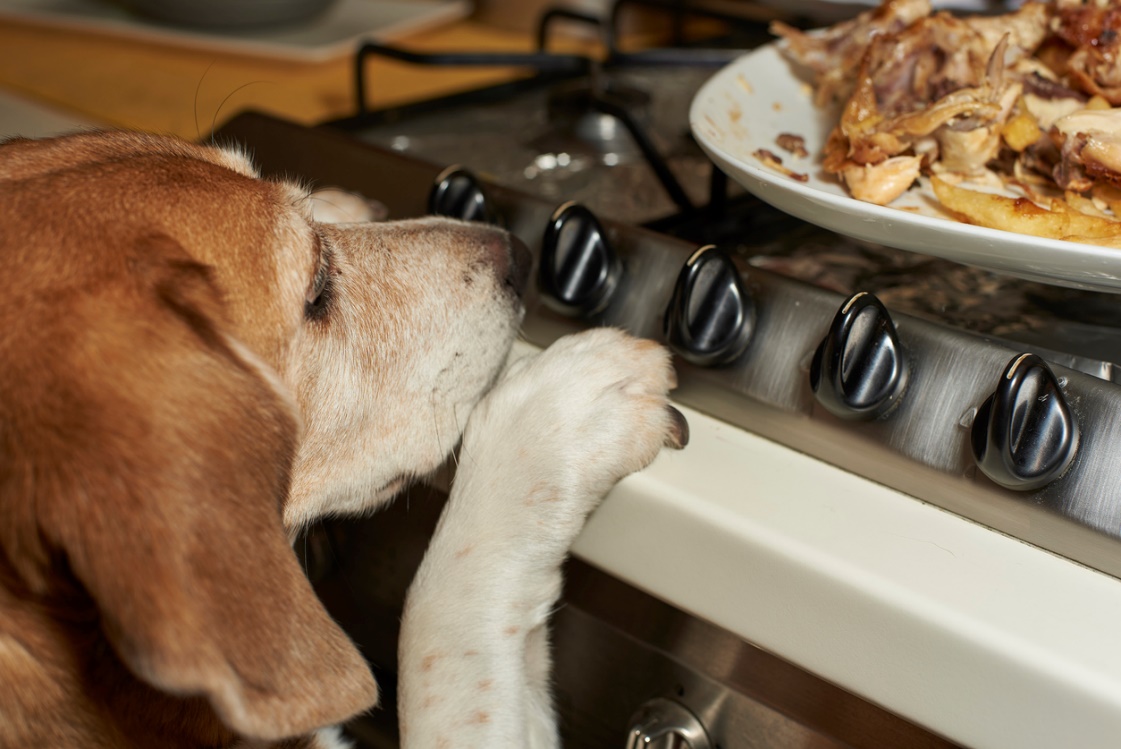
Holiday meals smell wonderful, but many seasonal foods are unsafe for pets.
Foods to Avoid
- Chocolate
- Grapes and raisins
- Xylitol (in sugar-free sweets, gum, some peanut butters)
- Onions, garlic, leeks, chives
- Fatty leftovers (turkey skin, ham trimmings)
- Bones
- Raw yeast dough
- Caffeine
- Alcohol
- Macadamia nuts
- Highly salty or heavily spiced foods
Safer Holiday Treats
- Plain cooked turkey or chicken with no seasoning (including no salt) and no bones
- Plain pumpkin purée for dogs and cats. For more information about pumpkin for dogs and cats, see our blog: Fall Pet Care Guide.
- Veterinary-approved holiday treats
Remind guests not to offer pets food scraps. Even small bites can cause stomach upset or toxicity.
5. Decorations, Plants, and Party Hazards
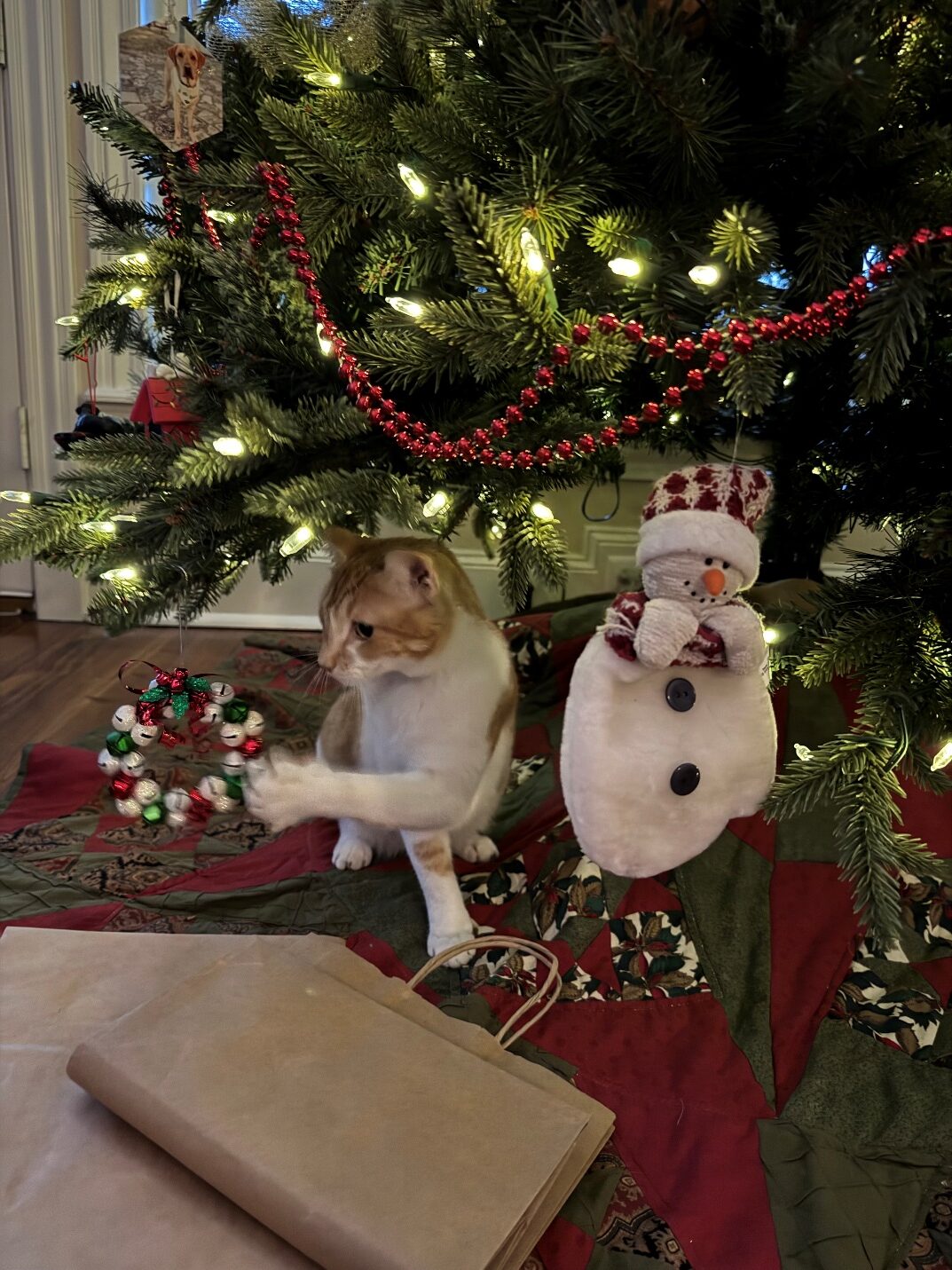
Holiday decorations add warmth and beauty to your home, but they can also create hazards for curious pets.
Decoration Safety Tips
- Choose shatterproof ornaments.
- Keep electrical cords and lights covered or out of reach.
- Use battery-operated candles instead of open flames.
- Secure your Christmas tree to prevent tipping.
Hazardous Holiday Plants
Avoid:
- Poinsettias
- Holly
- Mistletoe
- Lilies (extremely toxic to cats)
Safer plant options include Christmas cactus, orchids, bromeliads, unsprayed roses, and spider plants. Even non-toxic plants can cause stomach upset if chewed.
6. Outdoor Walks and Winter Adventures
Even in Texas, winter walks can bring chilly weather, slick sidewalks from rain, and busy neighborhoods filled with holiday visitors.
Tips for safer outdoor time:
- Wipe paws after walks to remove mud, moisture, and road salt.
- Use a jacket for senior dogs or short-haired breeds on colder days.
- Stick to well-lit, familiar routes.
- Watch for slippery areas that may cause slips or muscle strain.
Wishing You and Your Pets a Safe, Cozy Holiday Season
The best gift you can give your pets is attention to their comfort and safety. Whether you are traveling, hosting guests, or enjoying peaceful winter moments at home, these holiday tips will help your dogs and cats stay healthy and stress-free throughout the season.
Schedule Your Holiday Wellness Visit
College Hills Veterinary Hospital proudly supports pet families throughout College Station and the surrounding communities. Whether you’re preparing for holiday travel or hosting loved ones at home, our team is here to help keep your pets calm, healthy, and comfortable.
College Hills Veterinary Hospital
209 Dominik Dr
College Station, TX 77840
